Myopia Control for Children
Childhood myopia is increasing at an alarming rate. With evidence-based treatments, we can slow its progression and protect your child's long-term vision health.
Growing Eyes
Specialized care designed for children's developing visual systems
Evidence-Based
FDA-approved and clinically proven treatments backed by years of research
Early Intervention
The sooner treatment begins, the more effectively we can slow progression
See Through Your Child's Eyes
Use the slider to experience how increasing levels of myopia affect distance vision without correction.
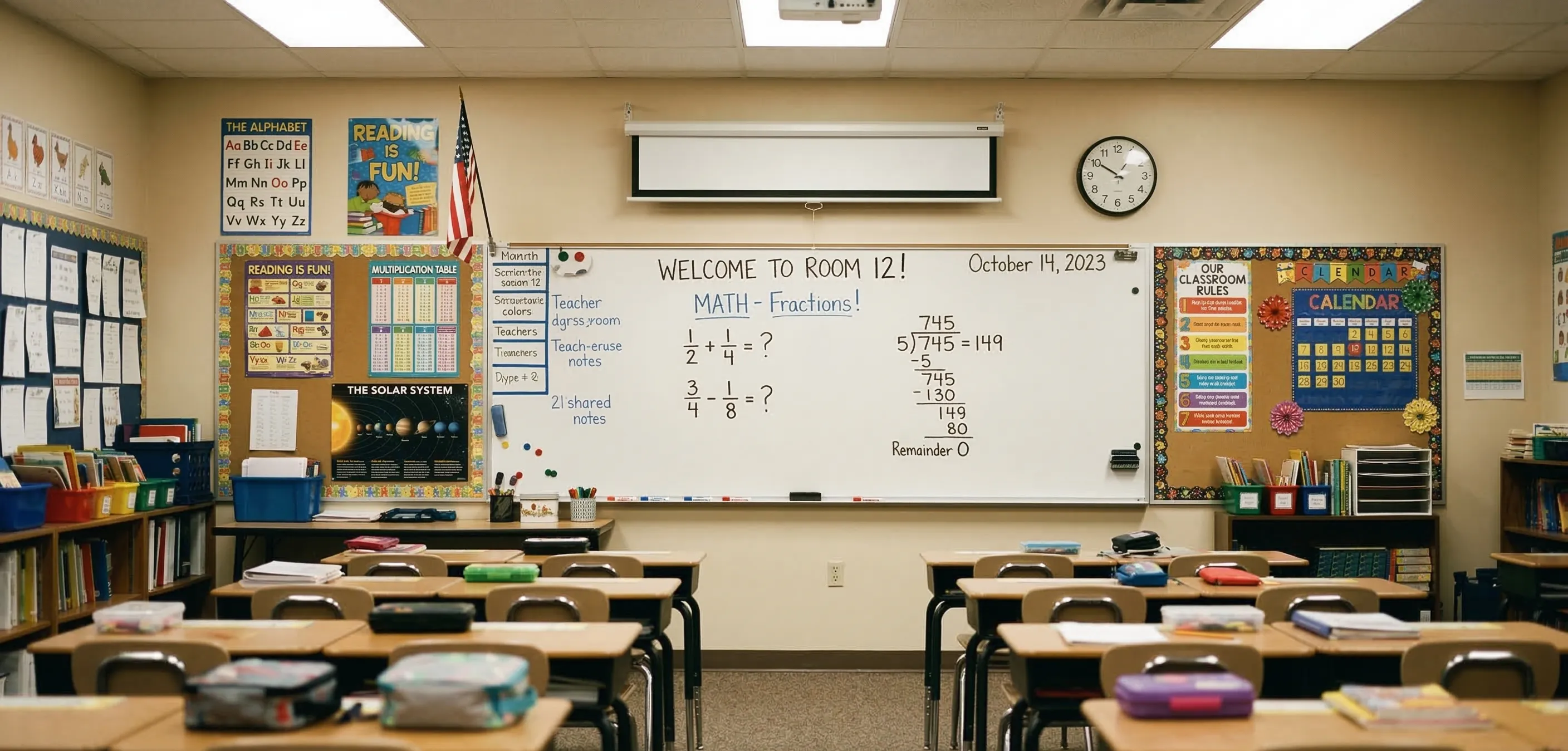
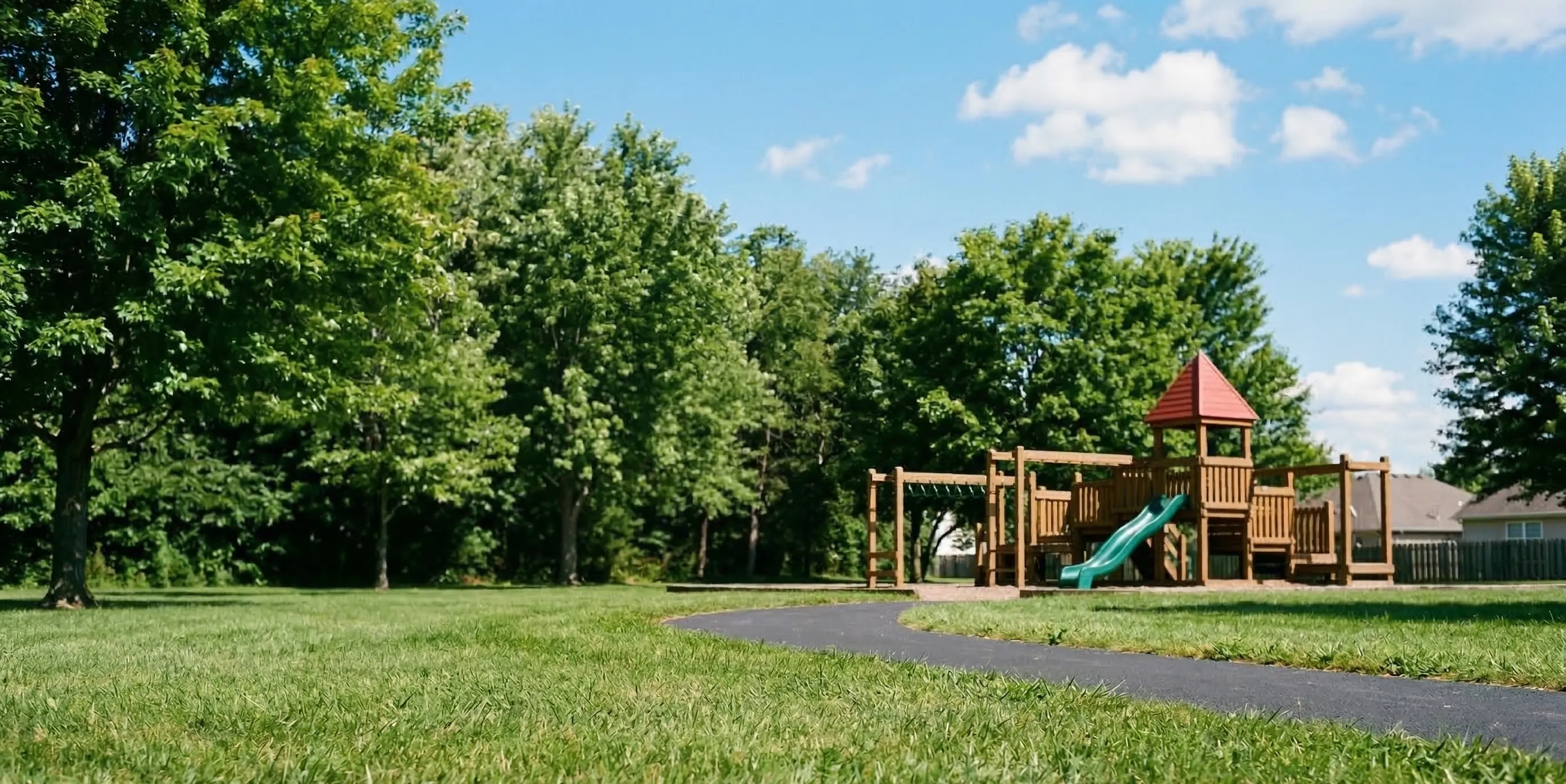
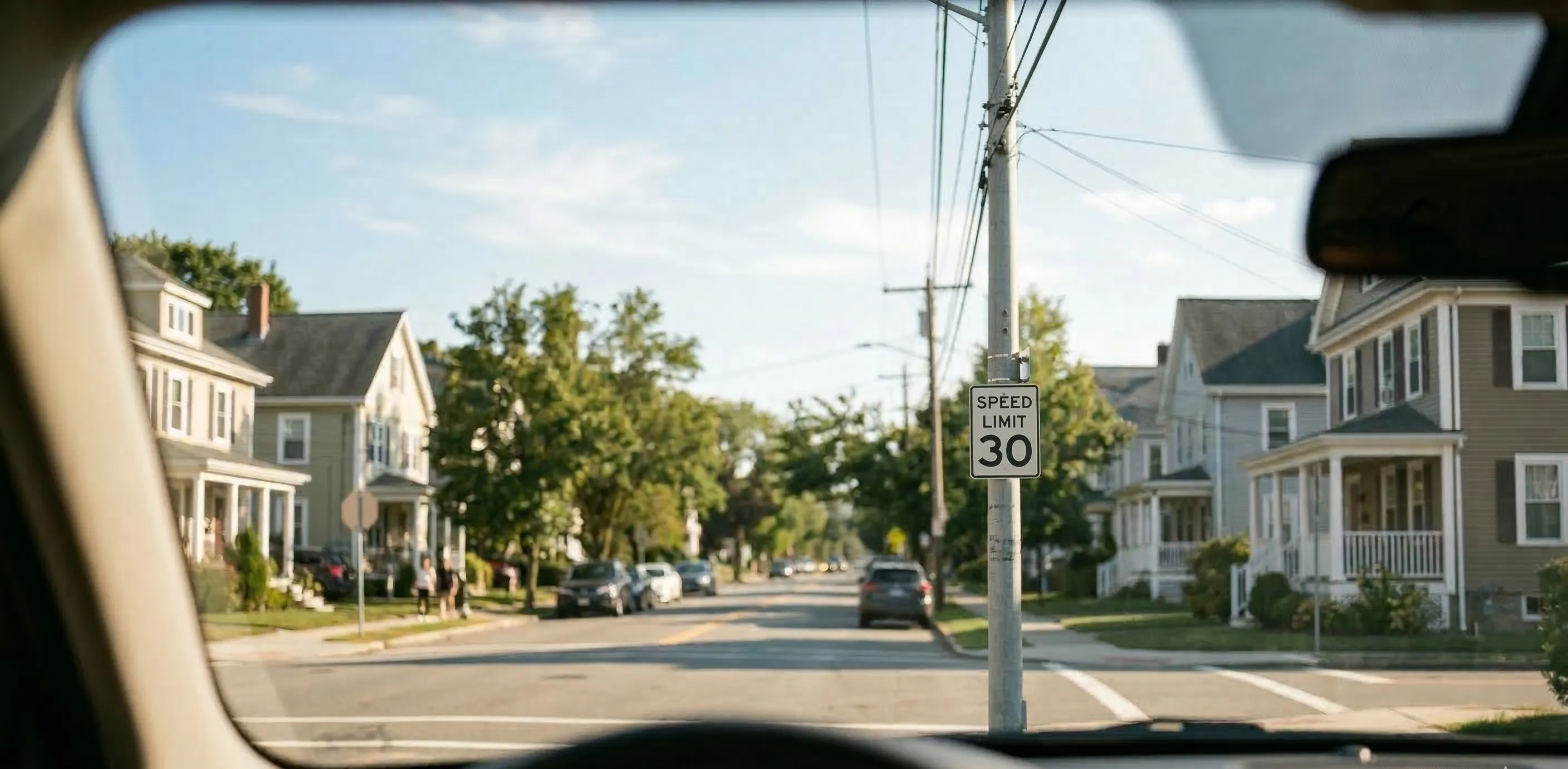
Blur calculated using the optical formula: blur° = 0.057 × pupil (mm) × diopters (5mm pupil assumed for a child in typical indoor lighting)
Disclaimer: This simulator is an artistic representation of how myopia may affect vision and is intended for educational purposes only. Actual visual experience varies based on pupil size, lighting conditions, and individual physiology. This tool does not constitute medical advice, diagnosis, or treatment. For an accurate assessment of your child's vision, please schedule a comprehensive eye examination with Dr. Patel.
Why Myopia Control Matters
Understanding myopia and why standard glasses alone aren't enough
What Is Myopia?
Myopia, or nearsightedness, occurs when the eye grows too long, causing distant objects to appear blurry. In children, myopia tends to progress as they grow, with prescriptions getting stronger year after year.
Today, myopia affects roughly 40% of Americans, up from about 25% a generation ago, and rates in children are rising rapidly.1 More screen time, less outdoor activity, and genetic factors all contribute to this growing epidemic.
Standard glasses and regular contact lenses correct blurry vision but do nothing to slow the eye's growth. Myopia control treatments are specifically designed to slow the progression of nearsightedness while still providing clear vision.
Risks of High Myopia
Higher levels of myopia significantly increase the lifetime risk of serious eye conditions. Slowing progression now can reduce these risks for your child's future.
Retinal Detachment
Risk increases significantly with higher myopia as the elongated eye stretches the retina thinner, one reason we recommend ultra-widefield retinal imaging to monitor the periphery, and why new floaters or flashes should be checked promptly.
Glaucoma
Myopia raises the risk of glaucoma, a leading cause of irreversible vision loss, with high myopia carrying roughly 2–3x the risk.2
Myopic Macular Degeneration
The leading cause of visual impairment in highly myopic patients, affecting central vision.
Early Cataracts
Higher myopia is associated with earlier onset of cataracts compared to non-myopic eyes.
1Vitale S, Sperduto RD, Ferris FL. Increased prevalence of myopia in the United States between 1971-1972 and 1999-2004. Arch Ophthalmol. 2009;127(12):1632-1639. doi:10.1001/archophthalmol.2009.303. 2Marcus MW, de Vries MM, Junoy Montolio FG, Jansonius NM. Myopia as a risk factor for open-angle glaucoma: a systematic review and meta-analysis. Ophthalmology. 2011;118(10):1989-1994. doi:10.1016/j.ophtha.2011.03.012.
Our Treatment Options
Two clinically proven approaches to slow myopia progression in children
MiSight 1 Day
Contact Lenses
The first and only FDA-approved soft contact lens proven to slow the progression of myopia in children aged 8-12 at the initiation of treatment. Daily disposable for maximum convenience and hygiene.
Based on 7-year clinical data
Essilor Stellest
Spectacle Lenses
Clinically proven spectacle lenses using H.A.L.T. technology with 1,021 invisible lenslets. An excellent option for children who prefer glasses or aren't ready for contact lenses.
Based on 2-year clinical trial
Is Your Child a Candidate?
Myopia control is most effective when started early. If you've noticed any of the following signs, it may be time to schedule a myopia evaluation.
Typical Age Range
Ideal window for myopia control treatment
- MiSight contacts: Ages 8-12 at initiation
- Stellest lenses: All ages with progressing myopia
- Earlier treatment = better outcomes
Frequently Asked Questions
Common questions about myopia control for children
At what age should my child start myopia control?
Myopia control is most effective when started early. Treatment is typically recommended for children ages 8-15 whose nearsightedness is progressing. The earlier intervention begins, the greater the potential to slow progression and reduce the risk of high myopia later in life. Dr. Patel will evaluate your child's specific situation to determine the optimal time to start.
Are MiSight contact lenses safe for children?
Yes. MiSight 1 day lenses are FDA-approved specifically for myopia control in children aged 8-12 at the initiation of treatment. As daily disposables, they offer excellent safety and hygiene. There is no overnight wear and no cleaning required. Clinical studies spanning 7 years have confirmed their safety profile. Children typically adapt to wearing them very quickly.
How long does myopia control treatment last?
Myopia control is typically continued throughout the years when a child's eyes are actively growing and changing, usually until their late teens. Dr. Patel will monitor your child's progression at regular follow-up visits and adjust the treatment plan as needed to achieve the best possible outcome.
Does insurance cover myopia control treatments?
Coverage varies by plan. Some vision insurance plans may partially cover myopia control lenses. We recommend checking with your insurance provider. HSA and FSA funds can typically be used toward myopia control treatments. Our office can help you understand your options during your consultation.
Protect Your Child's Vision
Don't wait for your child's prescription to get stronger. Schedule a myopia control consultation with Dr. Patel to learn which treatment option is right for your child.
Book Your Consultation